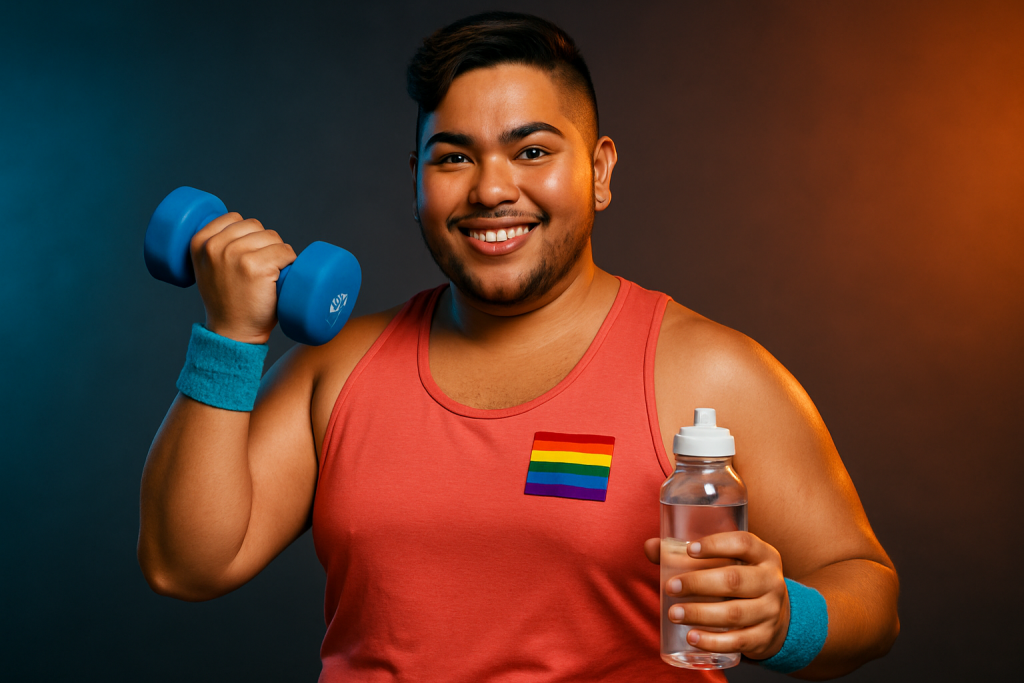
Taking care of LGBTQ+ health is vital in Latino communities where open, honest conversations can be lifesaving. With nearly 43% of LGBTQ+ people managing diet for good health and over 80% exercising weekly, the community actively pursues wellness despite challenges. This article dives into how communication, data, and technology converge to empower healthier lives in the Latino LGBTQ+ community.
Understanding LGBTQ+ Health in Latino Communities
Health awareness is growing, but gaps remain. Many in the LGBTQ+ Latino community feel disconnected from healthcare access or struggle with preventive care. For example, 44% have not had a physical exam in over a year, and financial barriers contribute significantly. Open dialogue among family, friends, and chosen family remains a trusted source for health information, showing the power of intimate conversations.
Nutrition and Fitness: Community Care in Action
Nutrition is a top priority — 42.7% cite a desire for good health as their main motivation for diet management. Interestingly, LGBTQ+ individuals are 15% more likely to be vegan, reflecting conscious lifestyle choices. Fitness levels are strong, with 81.8% exercising weekly, showcasing active self-care despite systemic health disparities. Yet, home diet evaluations reveal some see their diet as unhealthy, indicating room for improved education and resources.
Technology and Digital Health Resources
Digital tools are transforming healthcare access and information trust in these communities. LGBTQ+ people are 18% more comfortable discussing health online than in person and 54.3% turn to the internet first for health information. Social media medical content holds 17% more trust among this group, emphasizing the impact of credible online health educators.
Research also reveals a 15% higher likelihood of seeking online info before doctor visits, showing digital research’s role in healthcare empowerment. Tapping reputable influencers and trained medical voices online helps combat misinformation — a critical factor for Latino LGBTQ+ populations vulnerable due to social media reliance.
Challenges and Opportunities in Healthcare Access
Despite progress, significant obstacles remain. Financial concerns prevent many LGBTQ+ Latinos from obtaining care, with 19% citing high costs as a barrier. This contributes to a 28% higher chance of skipping preventive care. Such disparities create a critical need for targeted health communication and inclusive policies.
Experts like Stacie de Armas from Nielsen highlight the threat misinformation poses especially to Latinos, urging responsible social media use and trusted health influencers. Community dialogue can drive change by normalizing health discussions and encouraging preventative measures, ultimately empowering better health outcomes.
FAQs on LGBTQ+ Health in Latino Communities
What are the main health challenges faced by LGBTQ+ Latinos?
Financial barriers, access to culturally competent care, and misinformation are major challenges. Preventive care lapse is also common due to these factors.
How can families support LGBTQ+ health better?
Families can foster open, non-judgmental conversations about health, share reliable info, and encourage regular medical checkups to improve support and wellness.
Where can Latino LGBTQ+ individuals find trustworthy health info?
Trusted social media health advocates, community organizations, and health departments provide reliable resources tailored for Latino LGBTQ+ needs.
When did digital health become important for the LGBTQ+ community?
With increasing internet access and comfort levels, digital health has become essential over the past decade, transforming info access and patient empowerment.
Who leads health education in Latino LGBTQ+ communities?
Community health workers, culturally aware medical professionals, and social media influencers with expertise play key roles in education and outreach.
Internal Resources and Further Reading
For more insight, explore related discussions on LGBTQ+ health communication, Latino contributions, and Queer Latino stories that enrich cultural understanding and community wellness.