Salsa is a vibrant and dynamic musical genre that has captured the hearts of music lovers around the world. Originating largely from Afro-Cuban rhythms and developing significantly in New York City during the 1940s and 1950s, salsa represents a rich fusion of various Latin American musical styles. Its popularity soared in the 1970s, solidifying its place in the global music scene.
The Roots of Salsa Music
The origins of salsa can be traced back to the vibrant streets of Havana, Cuba, where Afro-Cuban son and rumba melded with other Latin forms such as mambo, cha-cha, and bolero. Musicians in Cuba experimented creatively, blending percussion, brass instruments, and spirited vocals to create a new, electrifying sound.
As Cuban immigrants settled in New York City, they brought this evolving sound with them, merging it with jazz influences prevalent in the city. This unique combination contributed to the birth of what we now identify as salsa music.
The Rise of Salsa in New York
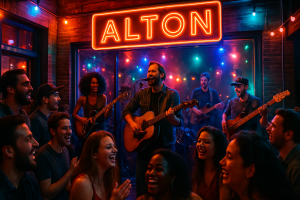
In the bustling neighborhoods of New York City, the 1970s saw salsa music evolve from its Cuban roots to become a symbol of cultural identity for the Hispanic community. Prominent venues like the Palladium Ballroom became incubators for salsa’s growth, showcasing talents such as Celia Cruz, Tito Puente, and Willie Colón.
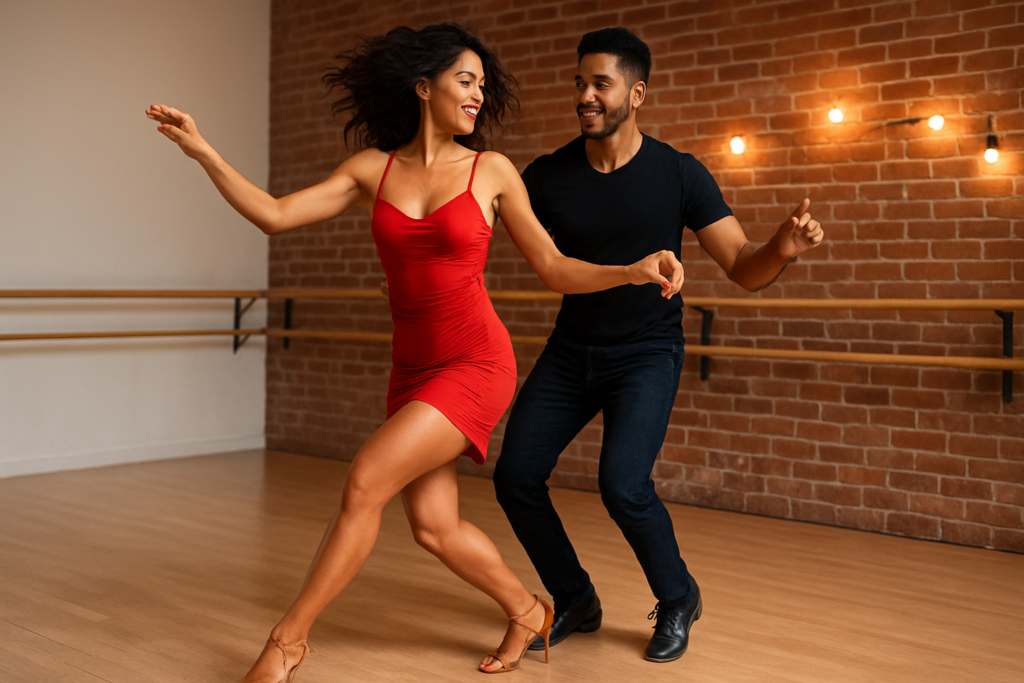
While the music captured the essence of Latin rhythm, salsa dancing emerged too, characterized by its energetic steps and spins, making it a favorite pastime in clubs and ballrooms alike.
Characteristics of Salsa Music
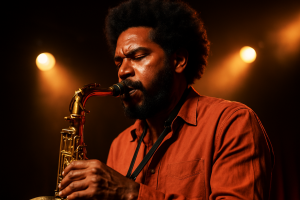
Salsa music is known for its upbeat and lively tempo, often incorporating complex percussion patterns that define its rhythm. Instruments typically include congas, timbales, bongos, piano, and a brass section consisting of trumpets and trombones. The lyrics often explore themes of love, passion, and social unity, resonating with audiences on multiple levels.
Salsa’s Global Influence
Today, salsa is performed and enjoyed worldwide, transcending cultural and linguistic barriers. In cities across Europe, Asia, and Latin America, salsa festivals and dance competitions highlight the genre’s universal appeal. Dance studios everywhere teach salsa as an accessible form of fitness and expression, reflecting its enduring popularity and cultural significance.
Incorporating Salsa in Modern Music
Salsa has influenced many contemporary music genres, blending seamlessly into reggaeton, pop, and even hip-hop. Artists continue to experiment with salsa rhythms, proving its adaptability and relevance in today’s diverse music landscape.